Events and Residency Update

One reason (free coffee to anyone who can guess the second reason) we named our collaborative The Chain is to recognize everyone in the entire supply chain. Baristas too are a part of the supply chain, just before the customer or consumer, so working with baristas is another way for collaboration between industry players. We also hope to recognize that, while our mission is sustainable development of the coffee lands in particular, there are many other issues in coffee. Barista is often a career choice to supplement careers in music and the arts, so the fact that our barista musicians worked for us completely for free, even tip-free, we know we must thank them endlessly for their contribution and in-kind donation to farmers in Peru and Guatemala.
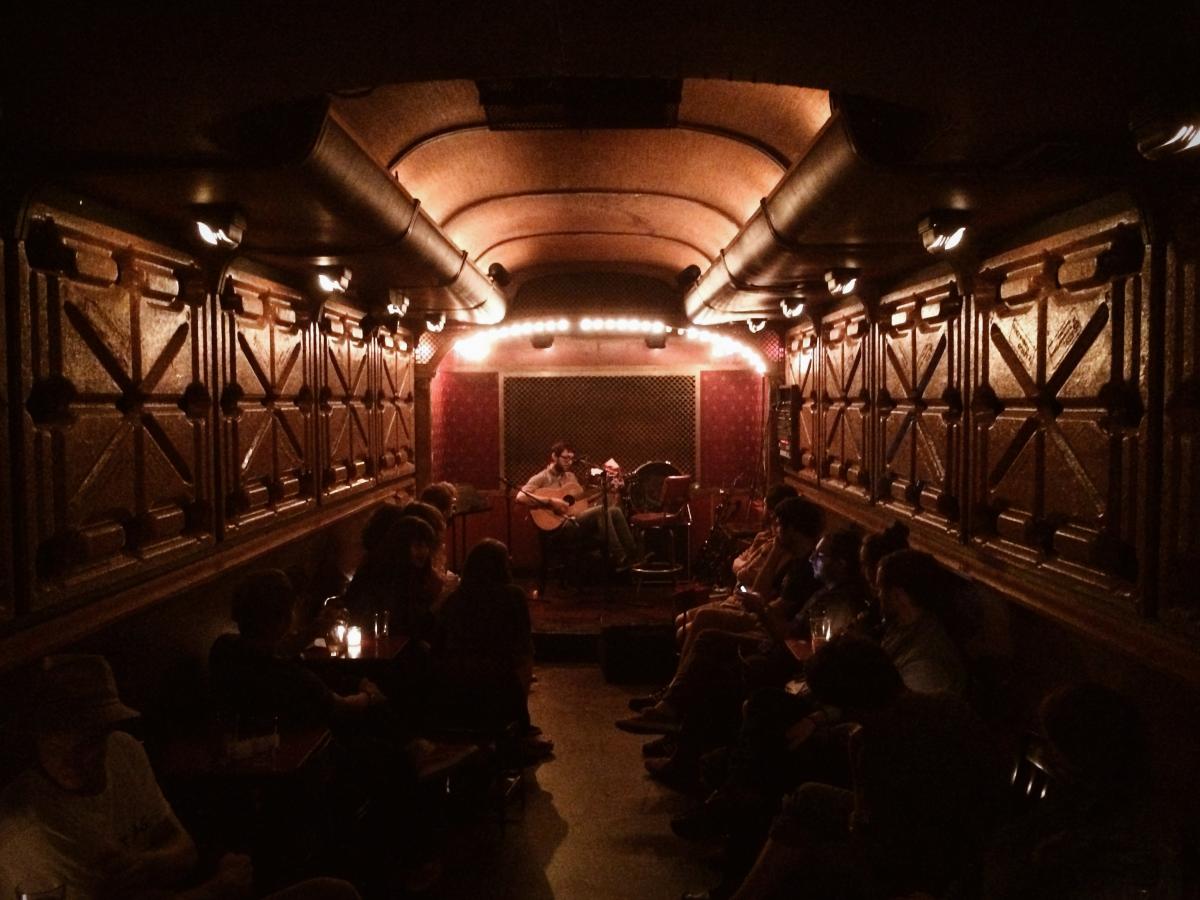
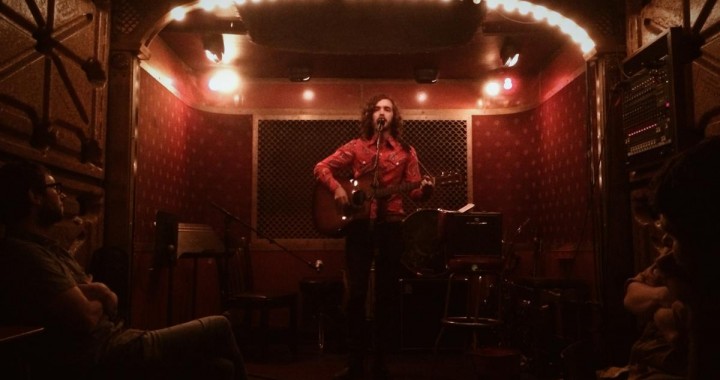
Lee Godleski at Pete's Candy Store

Lee Godleski at Pete’s Candy Store

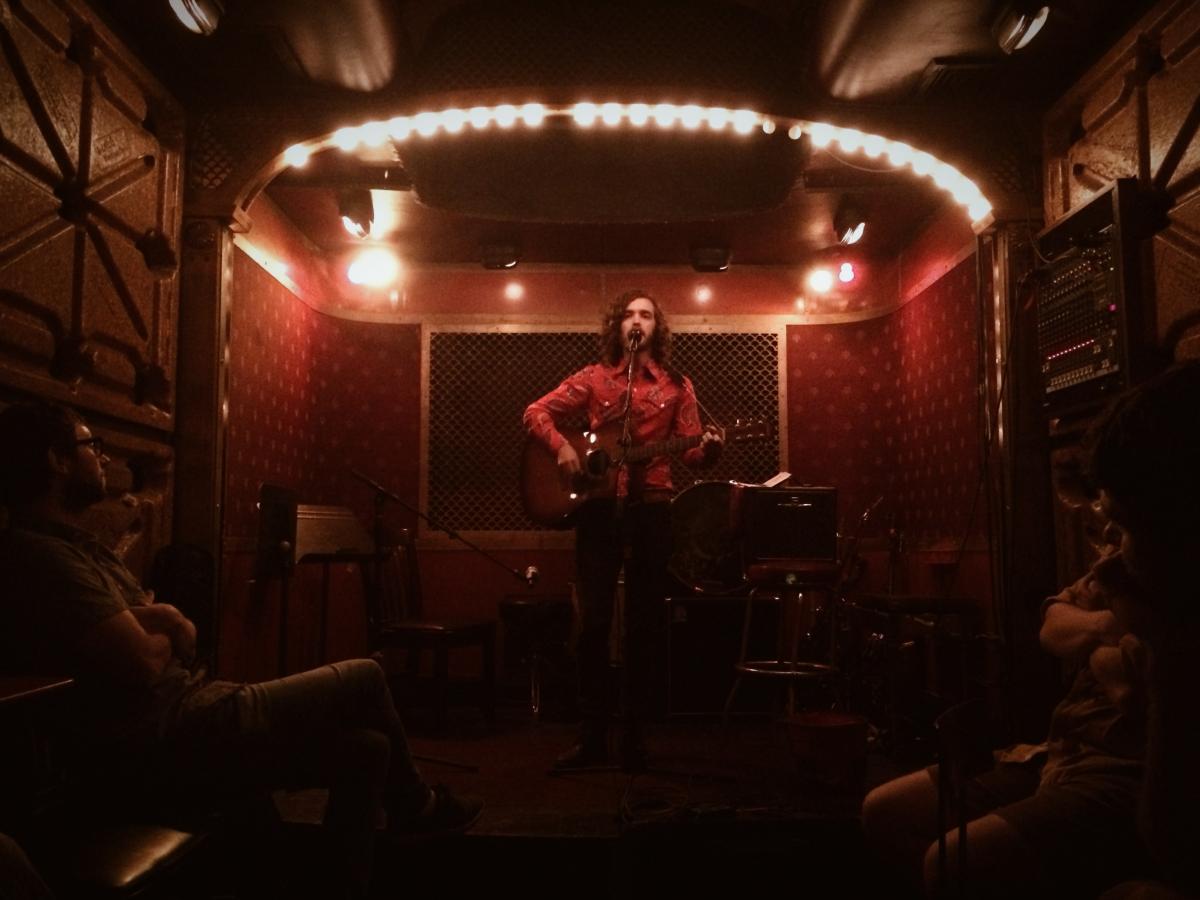
Chris Peck playing at Pete's Candy Store to benefit CODEMU

Chris Peck playing at Pete’s Candy Store to benefit CODEMU

Our first show at Pete’s Candy Store in Brooklyn featured two former baristas from Joe Coffee in NYC, Lee Godleski and Chris Peck. They raised $161 for CODEMU, the women’s committee at CAC Pangoa, enough for one loan that will be paid back and used again. One week later, a current Joe employee, Mike Pechter, played with his group Snagwing at OX Coffee in Philadelphia. They raised $201 for this same women’s committee, bringing the total to $362. Cooperative Coffees is a cooperative importer in Canada and the US who will be visiting CAC Pangoa at the end of September. They’ve agreed to bring our donation to Peru, so by the end of September, two more women will have access to loans, which upon repayment can be lent out again and again and again. We’re pleased to share that 3 amazing musicians who also happen to make amazing coffee, started something unstoppable. The cooperative will be working with the loan structure they learned about during the visit from the non-profit in Huancayo. More updates from them to follow.
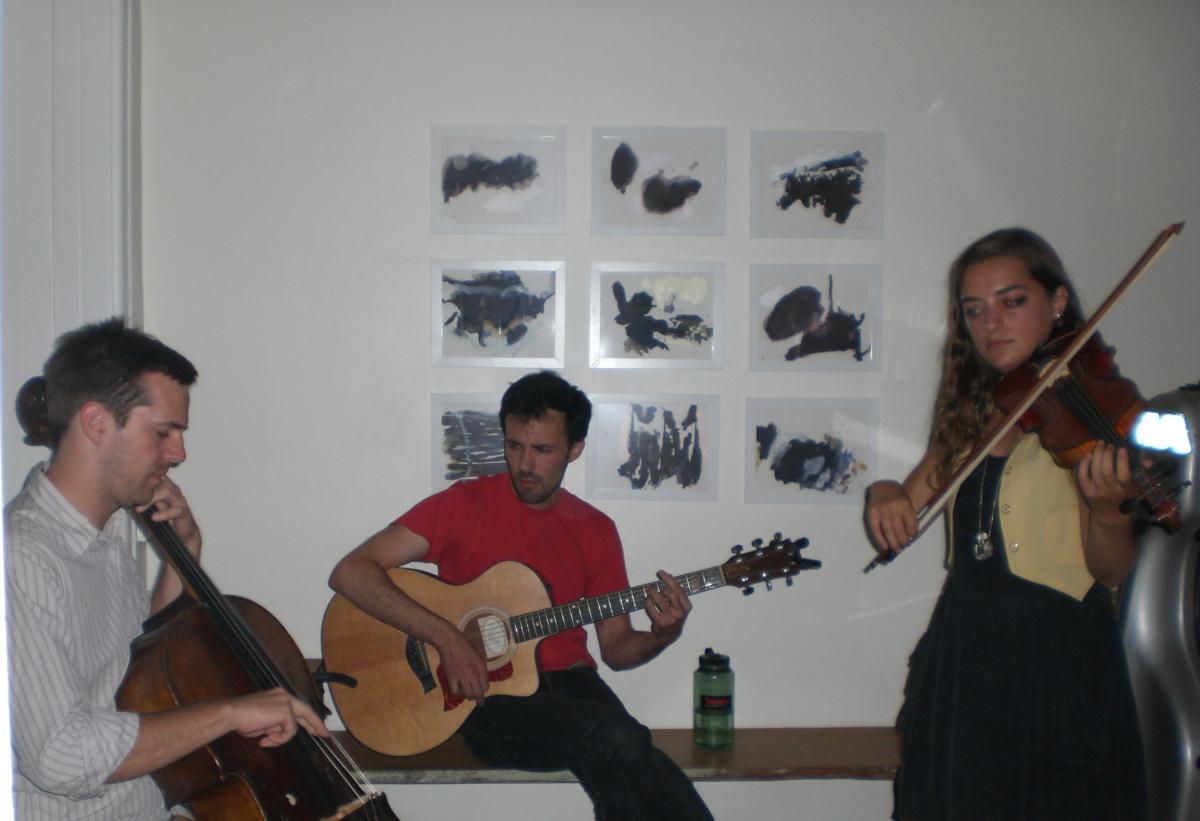
Snagwing playing at OX Coffee in Philadelphia to benefit women farmers in Peru

Snagwing playing at OX Coffee in Philadelphia to benefit women farmers in Peru

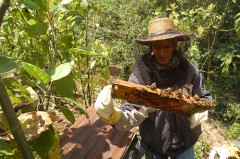
Our other August event took place at Daily Press, also in Brooklyn, and was the kick-off to the very first Coffee Residency. The Coffee Residency is a three-month-long collaboration between industry players to support a particular cause. The very first Coffee Residency is a collaboration between Daily Press, a coffee shop in Brooklyn, and their house roaster, Irving Farm. Daily Press will host a few events, some in collaboration with Irving Farm, and together the two companies will donate $1 for every 12oz bag of Irving Farm house blend coffee beans sold in both Daily Press locations for the next three months. Proceeds benefit the beekeeping project at Pueblo a Pueblo, a project benefitting livelihoods of Guatemalan farmers who are particularly affected by coffee rust. Learn about why this project is so important to Guatemalan farmers here in Daily Coffee News. Current Daily Press barista, Nora Smith, played with her band, Ghost Rodeo, and raised $278 for the project. This is almost 1/8 of what Pueblo a Pueblo needs to complete the project for the whole year, all in one night. Another friend of the shop, known with her accordion in hand as Toot Sweet, played the opening set. Stay tuned for updates from Guatemala.
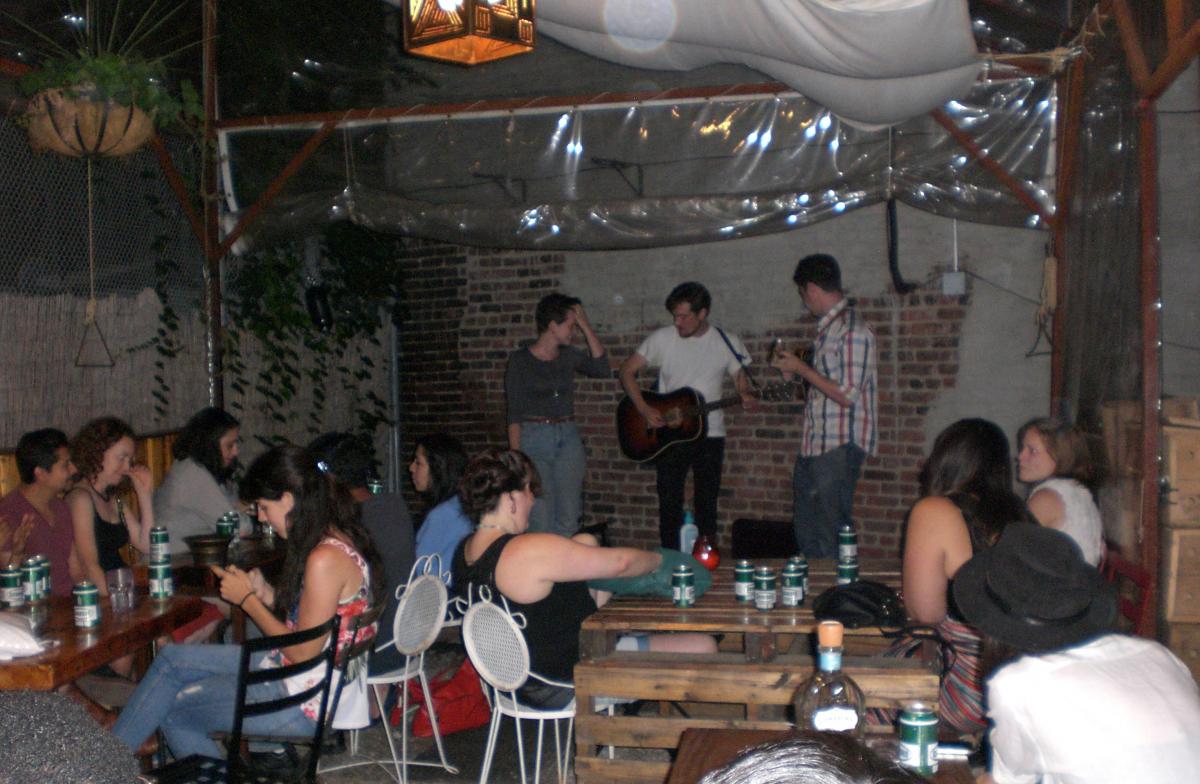
Ghost Rodeo playing at Daily Press Coffee in Bed-Stuy, Brooklyn to kick off the Coffee Residency

Ghost Rodeo playing at Daily Press Coffee in Bed-Stuy, Brooklyn to kick off the Coffee Residency

The Chain Collaborative says thank you again to everyone who helped out, from the musicians to the owners of OX Coffee for donating their space, to the manager and owner of Daily Press for donating their time-and beer-to making the show a reality.
Introducing the Fall Residency

This Saturday, August 23rd, Daily Press Coffee in Bed-Stuy kicks off The Chain Collaborative’s first ever coffee residency! The coffee residency is a way for coffee shops and roasters to unite and raise funds together for projects at origin. Daily Press is excited to be the first ever coffee shop in residence, and likewise their house roaster, Iriving Farm Coffee Roasters, is thrilled to be the first ever roaster in residence. Daily Press and Irving Farm have chosen to help keep Pueblo a Pueblo‘s Sustainable Livelihoods program running strong, and they’ve chosen to do it in collaboration.

According to Pueblo a Pueblo, “Smallholder coffee production and seasonal day labor on coffee plantations typically provide low wages and worker’s income is often unpredictable due to fluctuating yields. Over the past decade, the coffee-rust fungus, Roya, which destroys coffee crops has devastated coffee farms across Guatemala, further putting at risk the economic security of those involved in coffee production.

Daily Press

“Pueblo a Pueblo’s Beekeeping Project provides the tools, training, and support to enable coffee farmers to diversify their income through cooperative beekeeping, honey production, and marketing. Training in business and financial management enables the independent management of all aspects of the value-chain including production, sanitary processing, packaging, and marketing.

Beekeeping with Pueblo a Pueblo

Beekeeping with Pueblo a Pueblo

“In the first year of the project, farmers produced, processed, and packaged over 240 pounds of honey for sale in communities around Lake Atitlan. This not only generates additional income for these families but the nutrient rich honey has the potential to improve family nutrition. In addition to the impact beekeeping has at the community level, it also has the potential to benefit generations of farmers through skills transfer.”

Irving Farm Coffee Roasters

So come on out to the show at Daily Press on the 23rd, where you’ll get three drinks for $10 and hear Ghost Rodeo and Toot Sweet jamming out. And stop into Daily Press for your home coffee needs anytime between September and December because $1 per 12oz. bag of House Blend beans goes to Pueblo a Pueblo for the duration of the Fall Residency. Together, they’ll keep collaborating to support the Sustainable Livelihoods project, so stay tuned for a cupping and throwdown, plus more residency highlights. Special thanks to Jacob Bernard (manager at Daily Press and resident collaborator for The Chain) for putting all the events together.

Read more about the Sustainable Livelihoods project here on Daily Coffee News.


Microfinance Update: Peru, Hong Kong and Brooklyn Get a Little Bit Closer

The Huancayo-based non-profit, Blue Sparrow, traveled to San Martin de Pangoa this weekend to speak about their experiences distributing microloans in El Tambo and Huari, other localaties in Peru. They shared the training structure and handouts they use, interviewed women selling their products in the market, tasted some great coffee, and met with cooperative staff in order to train the trainer, Yenifer Sobrado. She is interested in formalizing the microloan experience for the members of CAC Pangoa and intends to tailor a similar type of training for the coffee program as well as for the revolving loan fund for women.

Women of CODEMU at the Saturday market outside CAC Pangoa’s offices

That Blue Sparrow provided a training to CAC Pangoa rather than funds for loans is two-fold. One, Blue Sparrow charges interests on their loans, and thus their funding is not a match for the cooperative. CAC Pangoa does charge interest on some loans, though it remains at 1% for symbolic purposes, to motiviate partipants. A non-profit creating a robust microloan fund typically must charge a higher interest rate than 1% to remain viable, making such non-profits difficult for coffee farmers or coffee cooperatives to partner with. That doesn’t mean their trainings or business development support teams will not be useful to farmers who’ve taken out loans at 0% or 1%. Payback is tough, and Yenifer hopes to provide a little more attention to the members who are struggling.

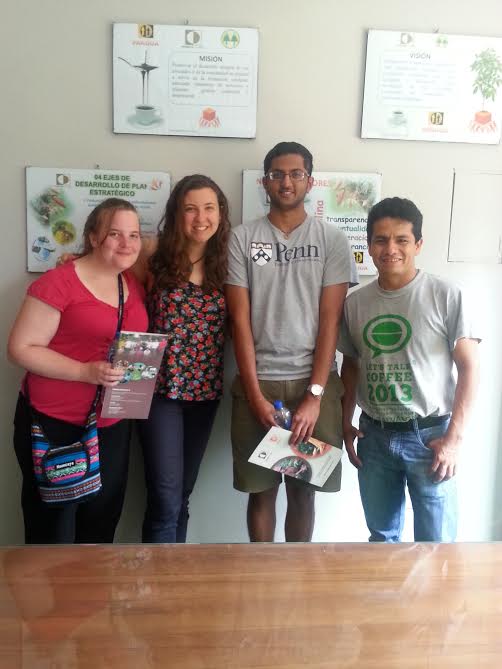
Students from Wharton with Albino Nuñez

Meanwhile, Mano, a coffee shop in Hong Kong, will be raising money for the women of CODEMU to add to their loan fund. Money from their fundraiser will go directly to this group so they may continue to take out loans, attend the Saturday markets, and keep growing lots of women’s coffee. All thanks to Courtney Dettrich, a consultant for Mano with a passion for coffee and development. Her funds will be raised alongside the funds raised this Thursday at Pete’s Candy Store in Brooklyn, where Peck, Lee Godleski, and Isaac Gillespie will sing to raise loan money for CODEMU. Updates to follow!

Microfinance Training for Women of CODEMU

One of the goals of The Chain Collaborative is to raise awareness about the supply chain and the realities of the coffee lands, as well as what it means to be a sustainable coffee farmer. One reason Fair trade has been helpful to farmers is that payment comes in stages: pre-harvest, at harvest, and then months after harvest to redistribute profits from the sale of the coffee. This type of payment structure is critical for coffee-growing families because it allows them to spread their income out throughout the year. This stands in stark contrast to what life is like selling your coffee to middlemen, where you receive only one payment that is supposed to last the rest of the year. Even still, three payments for coffee is never enough to support coffee-growing families, especially when coffee is so vulnerable to climate change, disease, and other occurences that strongly affect the harvest.

As such, income diversification is extremely ciritical to producers, meaning that helping families remain economically stable also means helping them do things that are not coffee-related. Many women’s committees and women’s loan programs in cooperatives do just that: offer women access to loans to help them create alternative sources of income for their families. In rural communities, often this means loans for raising small animals, bee-keeping, or making food to sell in local markets.

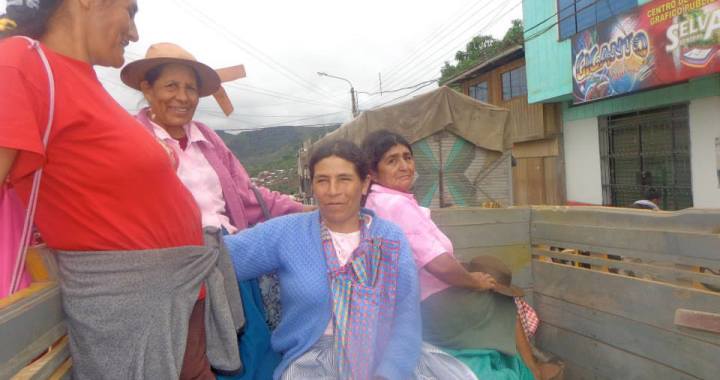
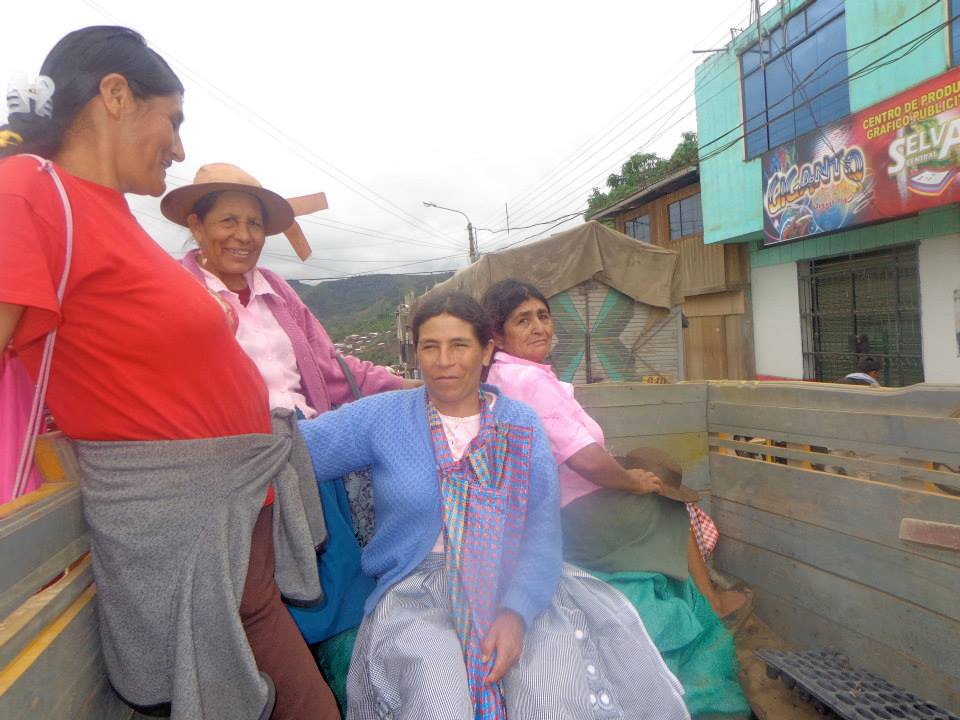
Women of CODEMU (The Women's Committee)

A few members of CODEMU

Unfortunately, many women are finding access to low or no-interest loans through a rolling fund in the cooperative without having had any access to business training or financial management. They learn by doing, which is a great method when you have the money to experiment with. As many Andean families are subsistence farmers struggling from one year to the next, and as coffee rust continues to attack large plots of land in Peru, most women don’t have money to experiment with. Their business has to work because if it doesn’t, their loans will not be repaid, and other women will lose the chance to take out their own loans from the rolling fund. If no money comes back, no more can be lent out.

Selmer, a technician at CAC Pangoa, lamented that one thing the cooperative lacks is program staff. Fair trade premiums offer funds for loans, and the cooperative administers those loans, but there is nobody who works to check up on the borrowers and address any of their problems or concerns. Any time I have visited rural communities, the most commonly stated request is more attention and more visitation from the cooperative, but often, given the rural landscape and the enormous caseload of technicians, they struggle to complete the work they are already tasked with. Doing more work isn’t always in the cards. Furthemore, they are not program managers, they are technicians who help farmers improve their harvest. They are not loan agents and were never taught to be.

The Chain Collaborative, in response to this problem, has begun our collaboration with CAC Pangoa with this sentiment from Selmer in mind. On top of helping companies raise money for the women’s committee’s loan fund, we are brainstorming ways to provide more programmatic support, and we plan to build this in to the development strategy of CODEMU.

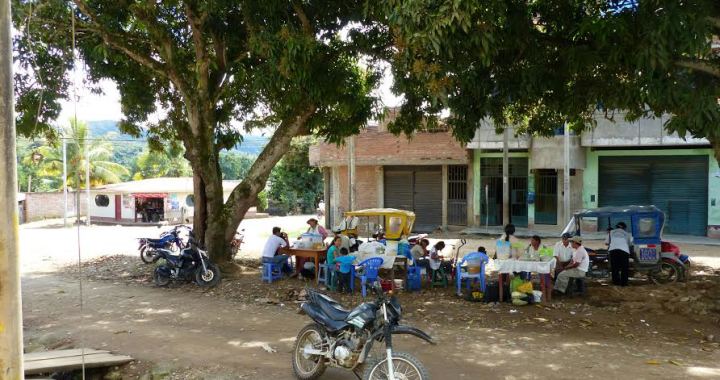
Blue Sparrow is a US-based 501(c)(3) non-profit organization that works with rural communities, children, and adolsecents in poverty. They are based in Huancayo, Peru, which is about an eight hour bus ride from San Martin de Pangoa, where cooperative CAC Pangoa is located. For anyone who has traveled around Peru, whenever you hear that something is an eight hour bus ride away, the first four words you might say are, “Really? That’s so close!” At least, that’s what I said to myself after spending over sixteen hours traveling from Lima to San Martin de Pangoa, even though Google promises a distance of 7 hours.

Señora Obdulia

The Chain Collaborative has connected CODEMU with Blue Sparrow, which currently operates their microfinance program from Huancayo in support of individuals and families to help them create alternative sources of income. They are working with a group from University of Pennsylvania’s Wharton School of Business to provide business training to their clients and partners. We’re very excited to announce that this group will make the (very short) 8 hour trip to San Martin de Pangoa this Saturday to meet the women of CODEMU, spend time with the cooperative, and provide training to the women’s committee!

Their goal is to provide a training to anyone in the community interested in business development, and they will focus special attention on “training the trainer.” They hope to equip the board of directors of CODEMU with the tools to help the other members of the committee. These trainers will hopefully be able provide the type of support Selmer had noted was lacking–attention for each individual borrower. This is only the begining, and The Chain Collaborative looks forward to developing their efforts for more programmatic support into the future!

Thanks for reading and stay tuned for updates on the training!

Nora Burkey

Executive Director

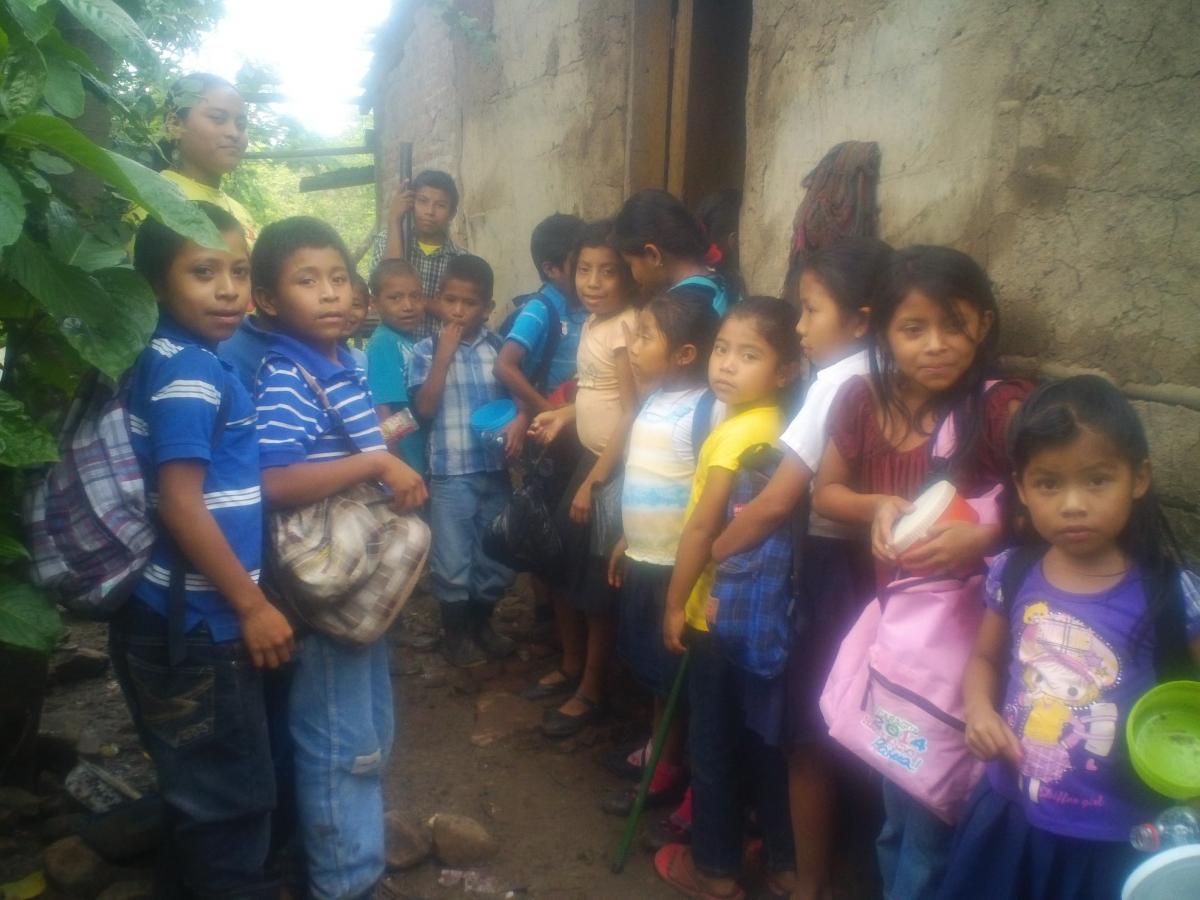
Interviews with Students at Coffee Camps

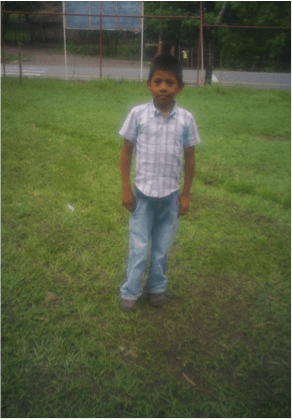
Meet Joel Ocampo Godinez, 9 years old.

My name is Joel Ocampo Godinez. I am 9 years old and I am in second grade in Ocalca school. My teacher’s name is Elvin. My dad’s names is Noel Ocampo and my mom’s name is Bertha Godinez. I have 8 siblings. Kener is 1 year old, Daniel is 3, Bismark Ocampo is 18, Rosa is 20, Xiomara del Carmen is 15, Glenda is 14, and Elda is 20. My brother and I help my parents work. Glenda and Elda were studying in Ocalca, but they left in sixth grade.
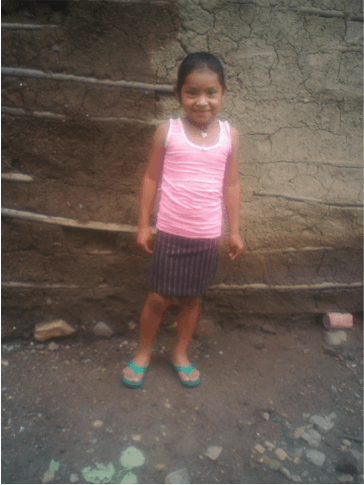
When there were no Coffee Camps, I played in my house, went to look for wood, and collected water. Now that I participate in the camps, I dance, write, read and play.

The food they give me is chicken, rice, beans, tortillas, orange juice, beets, and fruit salad.

Coffee Camps have helped me to study, read, and draw. The most important thing about the project is that I learn, I have fun, I get to know my teachers, and I am not bored in my house. Of the classes they give us in Coffee Camps, Spanish, Math, and Gym, what I like the most is Math because we do drawings, they give us homework, it is very cheerful, and we get to go to the board.

They said that before, I didn’t like to dance, but at Coffee Camps the teacher Marvin motivated me to dance. I liked the food and the games, and in the next camps I would like for them to take us to Jinotega and play more games.


Meet Aritzania del Carmen Ramos Ramos, 7 years old.

My name is Aritzania del Carmen Ramos Ramos. I am 7 years old and I am in second grade in Ocalca school. My teacher’s name is Elvin Antonio. My parents names are Raúl Ramos and Eveline Mercado.
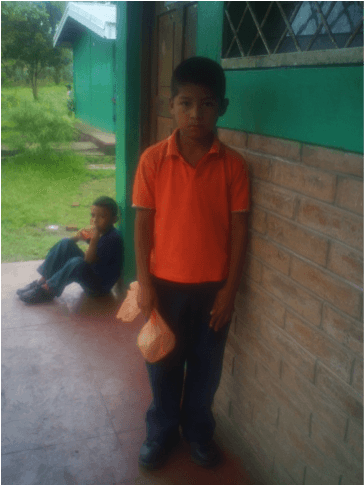
When there were no camps, I played in my house, collected water, I swept the house, and I fed the pigs and chickens. In the camps, I do gym class, they give us food, and I play.

The food they give us is chicken, cucumbers, beans, tomatoes, rice, and orange juice. The camps have helped me to study and not be bored in my house, and they give us food.

The most important thing about the camps is that they help us study and they take care of me. Of the classes they give in the camps like Gym, multiplication tables for math, and English, what I like the most is gym. What I like the least is eating beets.

I would like it if in the next camps we always went to Mrs. Toñita’s house and played more games.


Meet Frank Eduvije Artola Pérez, 9 years old.

My name is Frank Eduvije Artola Pérez. I live in Ocalca and I am 9 years old. I am in second grade and my teacher’s name is Elvin Ramos. My dad’s name is Eduvije Artola Rivas and my mom’s name is Reyna Isabel Pérez Suazo. Five people live in my house. My dad grows corn and beans. I have 2 siblings, one brother named Bryan Antonio Pérez who is 4 years old and a sister named Yesica Liseth Pérez who is 13 years old. Bryan doesn’t go to school because he is little, and Yesica is in sixth grade in Ocalca school and her teacher’s name is Jorlene Blancherd.
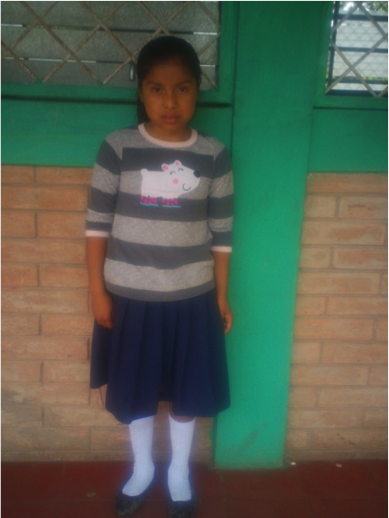
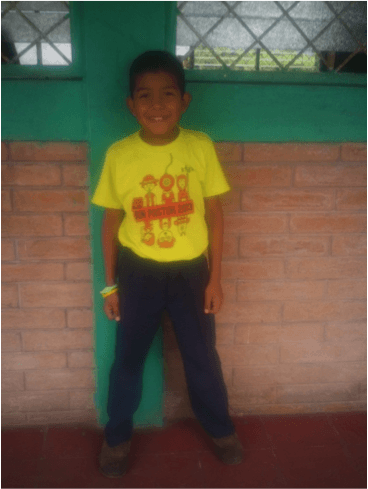
When we weren’t in Coffee Camps, my dad went to pick coffee in a farm called Las Rosas. He left at 4 in the morning, or sometimes at 1 in the morning, and he came back home at 8 o’clock at night. When there weren’t camps, I helped my dad and played ball.

In the camps, I play and study. The food is chicken, rice, cabbage, potatoes, beans, tortillas, and juice. The camps helped me to read and do homework. The most important thing about them is I study and have fun. Of the classes they give us, Spanish, Math, and Gym, what I liked most was Math class because it helped us to add. I also liked to play the most because we had fun, and what I liked least were a few kids who were fighting.

In the next camps, I would like to play more games.


Meet Jadira Liseth Pérez Pérez, 11 years old.

My name is Jadira Liseth Pérez Pérez. I am 11 years old and I am in fourth grade in Ocalca primary school. My teacher is Ms. Rafaela Herrera. My parents names are Santos Perez Suazo and Julia del Carmen Perez.

When I wasn’t participating in Coffee Camps, I collected water, made tortillas, and cooked beans. At Coffee Camps, they teach us how to read numbers, play games, do puzzles, dance, and sing. The food they give us in coffee camps is chicken, tortillas, beans, cabbage, cheese, enchiladas, plantains, pudding, orange juice, tamarind juice, and oatmeal.

Coffee camps has helped me to study, not be bored at home, and it taught me how to play. Coffee camps are important because I learn, they give us food, and I’m happy. At the camps we have Spanish classes, gym class and math class, but what I like the most is Math class. I also like to play, but I don’t like playing a lot of sports.

In the next camps I would like there to be more games and for them to give us Math class. In school I am doing well, I have a sister whose name is Rebeca and we both participate in Coffee Camps. There are 6 people who live in my house. My mom is a housekeeper, my brother grows corn and his name is Jitson Antonio Perez. My family lives an agricultural life.


Meet Juan Uriel Herrera Castillo, 8 years old.

My name is Juan Uriel Herrera Castillo. I am 8 years old. I live in Ocalca and I am in third grade. My teacher’s name is Indiana Treminio. My dad’s names is Juan José Herrera and my mom’s name is María Esther Castillo. I have one brother named Engel Fabían Herrera Castillo and he is 4 years old. My father works in Matagalpa as a fumigator, and sometimes he grows beans and corn. When there were no coffee camps, I collected water and wood.

Now that there are coffee camps, I study, I listen to my teacher, we play soccer, and I help to collect water so that we can have food in the coffee camps. The food they give me in the camps is rice, cabbage, fruit salad, milk, enchiladas, orange juice, pineapple juice, and more. The camps have helped me to study, not fight, and not be silly. The most important thing about the camps is that they give us food and we play games because I am not bored in my house and I am happy. The classes they give us at camp are math, gym, and Spanish. I like Spanish the best because I learn the most.

I like to play at camp, but what I like least is the duck game because we have to make faces. For the next camp, I would like to play more games. My favorite color is yellow, my favorite food is chicken with rice and beans. I have four friends whose names are Evert Justino García, Brayan José, Junior, and Donald, who is very silly.