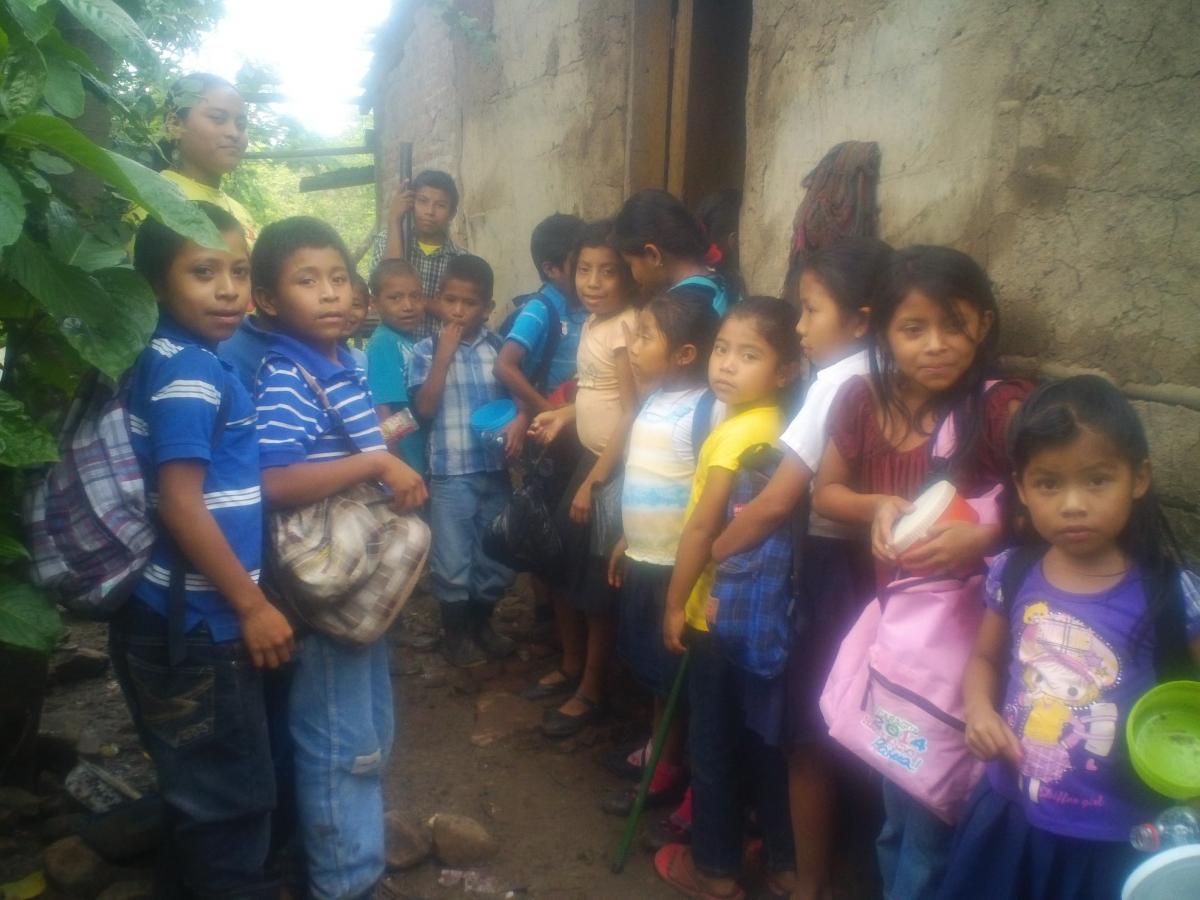
Meet Joel Ocampo Godinez, 9 years old.
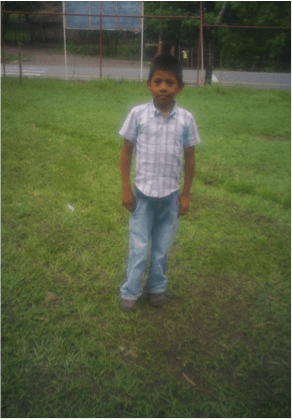 My name is Joel Ocampo Godinez. I am 9 years old and I am in second grade in Ocalca school. My teacher’s name is Elvin. My dad’s names is Noel Ocampo and my mom’s name is Bertha Godinez. I have 8 siblings. Kener is 1 year old, Daniel is 3, Bismark Ocampo is 18, Rosa is 20, Xiomara del Carmen is 15, Glenda is 14, and Elda is 20. My brother and I help my parents work. Glenda and Elda were studying in Ocalca, but they left in sixth grade.
When there were no Coffee Camps, I played in my house, went to look for wood, and collected water. Now that I participate in the camps, I dance, write, read and play.
The food they give me is chicken, rice, beans, tortillas, orange juice, beets, and fruit salad.
Coffee Camps have helped me to study, read, and draw. The most important thing about the project is that I learn, I have fun, I get to know my teachers, and I am not bored in my house. Of the classes they give us in Coffee Camps, Spanish, Math, and Gym, what I like the most is Math because we do drawings, they give us homework, it is very cheerful, and we get to go to the board.
They said that before, I didn’t like to dance, but at Coffee Camps the teacher Marvin motivated me to dance. I liked the food and the games, and in the next camps I would like for them to take us to Jinotega and play more games.
Meet Aritzania del Carmen Ramos Ramos, 7 years old.
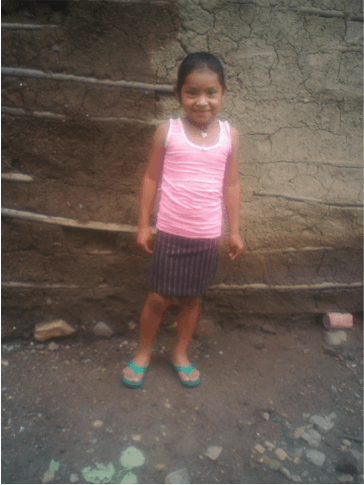 My name is Aritzania del Carmen Ramos Ramos. I am 7 years old and I am in second grade in Ocalca school. My teacher’s name is Elvin Antonio. My parents names are Raúl Ramos and Eveline Mercado.
When there were no camps, I played in my house, collected water, I swept the house, and I fed the pigs and chickens. In the camps, I do gym class, they give us food, and I play.
The food they give us is chicken, cucumbers, beans, tomatoes, rice, and orange juice. The camps have helped me to study and not be bored in my house, and they give us food.
The most important thing about the camps is that they help us study and they take care of me. Of the classes they give in the camps like Gym, multiplication tables for math, and English, what I like the most is gym. What I like the least is eating beets.
I would like it if in the next camps we always went to Mrs. Toñita’s house and played more games.
Meet Frank Eduvije Artola Pérez, 9 years old.
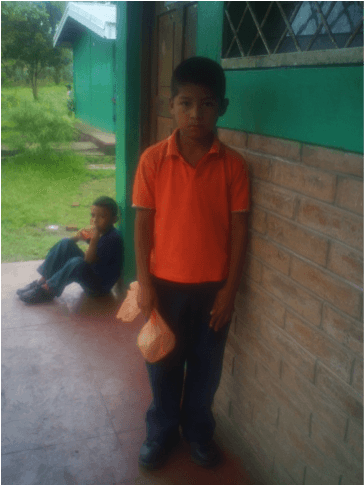 My name is Frank Eduvije Artola Pérez. I live in Ocalca and I am 9 years old. I am in second grade and my teacher’s name is Elvin Ramos. My dad’s name is Eduvije Artola Rivas and my mom’s name is Reyna Isabel Pérez Suazo. Five people live in my house. My dad grows corn and beans. I have 2 siblings, one brother named Bryan Antonio Pérez who is 4 years old and a sister named Yesica Liseth Pérez who is 13 years old. Bryan doesn’t go to school because he is little, and Yesica is in sixth grade in Ocalca school and her teacher’s name is Jorlene Blancherd.
When we weren’t in Coffee Camps, my dad went to pick coffee in a farm called Las Rosas. He left at 4 in the morning, or sometimes at 1 in the morning, and he came back home at 8 o’clock at night. When there weren’t camps, I helped my dad and played ball.
In the camps, I play and study. The food is chicken, rice, cabbage, potatoes, beans, tortillas, and juice. The camps helped me to read and do homework. The most important thing about them is I study and have fun. Of the classes they give us, Spanish, Math, and Gym, what I liked most was Math class because it helped us to add. I also liked to play the most because we had fun, and what I liked least were a few kids who were fighting.
In the next camps, I would like to play more games.
Meet Jadira Liseth Pérez Pérez, 11 years old.
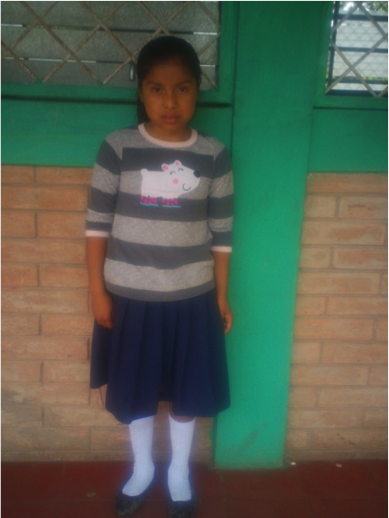
My name is Jadira Liseth Pérez Pérez. I am 11 years old and I am in fourth grade in Ocalca primary school. My teacher is Ms. Rafaela Herrera. My parents names are Santos Perez Suazo and Julia del Carmen Perez.
When I wasn’t participating in Coffee Camps, I collected water, made tortillas, and cooked beans. At Coffee Camps, they teach us how to read numbers, play games, do puzzles, dance, and sing. The food they give us in coffee camps is chicken, tortillas, beans, cabbage, cheese, enchiladas, plantains, pudding, orange juice, tamarind juice, and oatmeal.
Coffee camps has helped me to study, not be bored at home, and it taught me how to play. Coffee camps are important because I learn, they give us food, and I’m happy. At the camps we have Spanish classes, gym class and math class, but what I like the most is Math class. I also like to play, but I don’t like playing a lot of sports.
In the next camps I would like there to be more games and for them to give us Math class. In school I am doing well, I have a sister whose name is Rebeca and we both participate in Coffee Camps. There are 6 people who live in my house. My mom is a housekeeper, my brother grows corn and his name is Jitson Antonio Perez. My family lives an agricultural life.
Meet Juan Uriel Herrera Castillo, 8 years old.
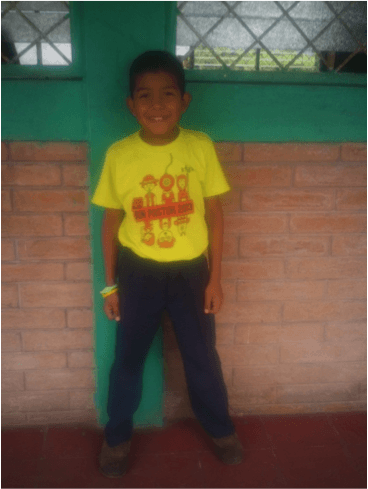 My name is Juan Uriel Herrera Castillo. I am 8 years old. I live in Ocalca and I am in third grade. My teacher’s name is Indiana Treminio. My dad’s names is Juan José Herrera and my mom’s name is María Esther Castillo. I have one brother named Engel Fabían Herrera Castillo and he is 4 years old. My father works in Matagalpa as a fumigator, and sometimes he grows beans and corn. When there were no coffee camps, I collected water and wood.
Now that there are coffee camps, I study, I listen to my teacher, we play soccer, and I help to collect water so that we can have food in the coffee camps. The food they give me in the camps is rice, cabbage, fruit salad, milk, enchiladas, orange juice, pineapple juice, and more. The camps have helped me to study, not fight, and not be silly. The most important thing about the camps is that they give us food and we play games because I am not bored in my house and I am happy. The classes they give us at camp are math, gym, and Spanish. I like Spanish the best because I learn the most.
I like to play at camp, but what I like least is the duck game because we have to make faces. For the next camp, I would like to play more games. My favorite color is yellow, my favorite food is chicken with rice and beans. I have four friends whose names are Evert Justino García, Brayan José, Junior, and Donald, who is very silly.