About Us

The mission of The Chain Collaborative is to facilitate collaboration among members of the coffee industry and contribute to sustainable development in the coffee lands.

What We Do

We create and facilitate social, environmental, economic, and quality-focused initiatives in coffee-growing and coffee-affected communities through three main tracks.

  • We partner with farmers, farmer groups, non-profits, and NGOs working to better livelihoods in the coffee lands
  • We help create and facilitate new projects between members of the coffee industry
  • We raise funds and awareness in creative, collaborative ways
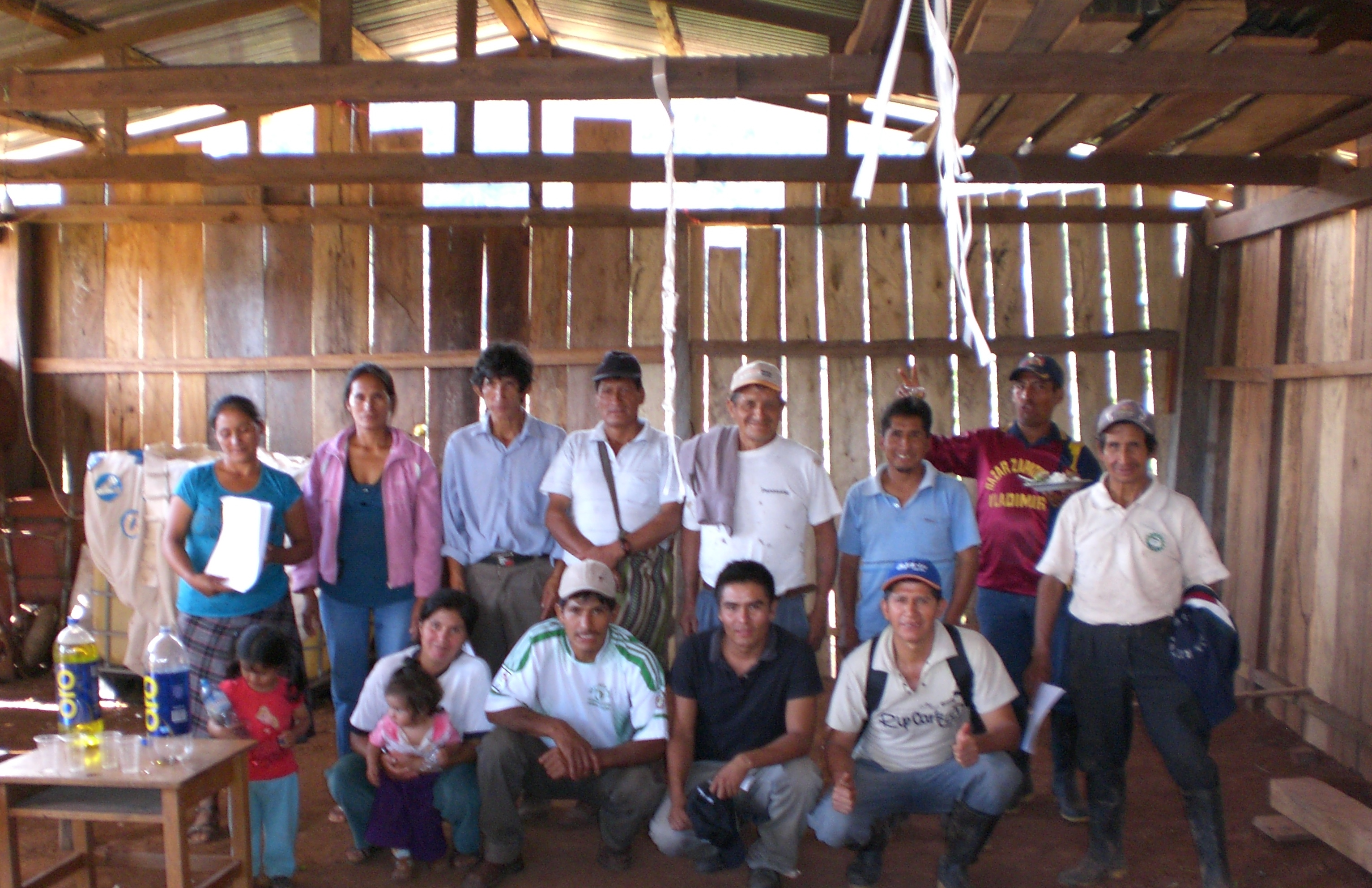
producers.jpg
Members of CAC Pangoa meeting to discuss the creation of a board of directors in the community Los Angeles de Eden.
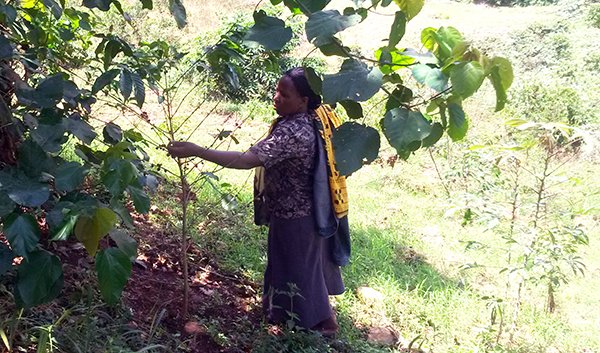
uganda_woman.jpg
Member of Nyamigoye Coffee Farmers Group. Photo property of Denis Twinamatsiko.

How We Do It

The Chain Collaborative provides support for projects in the coffee lands. Development projects will have greater impact and be more sustainable when we pull resources together and encourage collaboration and partnership to reach common goals.

  • We provide developmental support to NGOs and non-profits in coffee-growing regions
  • We connect coffee companies to projects in coffee-growing regions they can directly support
  • We offer project development, project support, and monitoring and evaluation of existing projects at origin
  • We offer project development, project support, and monitoring and evaluation of existing projects in coffee-growing regions
  • We consult with project sponsors and project beneficiaries to facilitate projects that are sustainable and responsive to the real needs in coffee-dependent communities
  • We work with organizations and coffee companies to pull resources and funds together in creative, collaborative ways

Our Beliefs and Values

The Chain Collaborative aims to connect the coffee industry to already well-established programming in both cooperatives and non-profits. We partner with people already making strides in coffee-growing regions. This means partnering with non-profits who strive to improve resources and access to much-needed services, such as healthcare, education, and finance. Likewise, many cooperatives already have robust social and technical programming they work hard to provide to their member farmers. Collaborating on existing projects allows us to not double resources, but instead double the impact of development work.
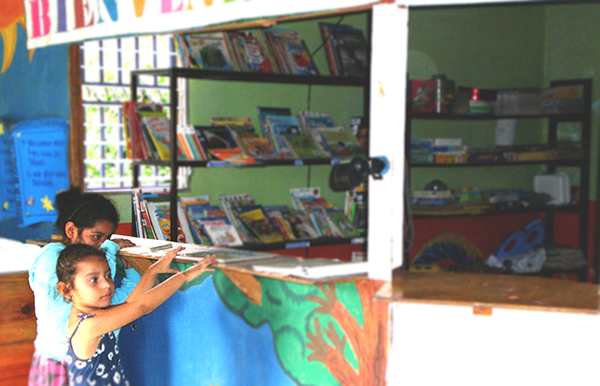
library-3.jpg
Students at La Chispa library, operated by Planting Hope in Matagalpa, Nicaragua.

Who We Are

Nora Burkey

Co-founder and Executive Director
Nora began her career in coffee in 2007 as a barista in New York City, and her career in international development in 2010 volunteering for a non-profit in Cambodia. Combining her two passions for coffee and development, she began consulting on coffee projects in 2013. She holds a bachelor’s degree in Creative Writing from Eugene Lang, and has written for various coffee magazines and blogs. She holds a Master’s degree in Sustainable Development from School for International Training, where she focused on gender and food systems. She completed her thesis on rural microfinance and women’s lending groups in Nicaragua, evaluating a women’s empowerment initiative intended to recognize the unpaid work of women. Through her experiences in the coffee lands, she saw a need for greater collaboration in the industry in order to achieve more sustainable development in coffee-dependent communities. Dedicated to help meet this need, she was inspired to co-found The Chain Collaborative in 2014. She speaks English and Spanish. Her favorite drink is an Americano.

Mike Morgenstern

Co-founder and Director of Operations

Mike began his career in coffee all the way back in high school, working off and on at Starbucks for several years as a barista and trainer. While obtaining a bachelor's degree in Food Studies from New York University's Steinhardt School of Culture, Education, and Human Development, he worked for Joe in New York City, first as a barista and later as a trainer and roaster. Several years after graduating, he began making plans to set out into the coffee world on his own, as he believed in the ability of the specialty coffee industry to positively impact livelihoods in producing communities. Both at Starbucks and at Joe in New York City, he was exposed to the need for more collaboration and less competition in the industry, and was thereby inspired to dedicate his time and skills in order to advance this mission. This ambition led him to co-found The Chain Collaborative in 2014. His favorite drink is a good old cup of drip coffee.

Tina Kim

Board Member

Tina’s ties to the coffee industry began in Guatemala, where she spent two years working for the non-profit Pueblo a Pueblo. She managed a school health and nutrition program, teaming up with public elementary schools on an organic garden project and a school feeding project aimed at addressing food insecurity in the coffee lands. She holds a bachelor’s degree in Political Science from University of California San Diego, and a Master’s degree in Urban & Regional Planning from San Jose State University, where she focused on community development and social planning. She is currently working at Food Bank for New York City, where she is implementing a series of nutrition education programs in low-income communities. She is a founding board member of The Chain Collaborative, which she joined in 2014 in order to maintain her ties to Central America and continue giving back to the communities she had served. She speaks English, Spanish, and Korean. Her everyday drink is a short espresso or dark roast drip coffee.